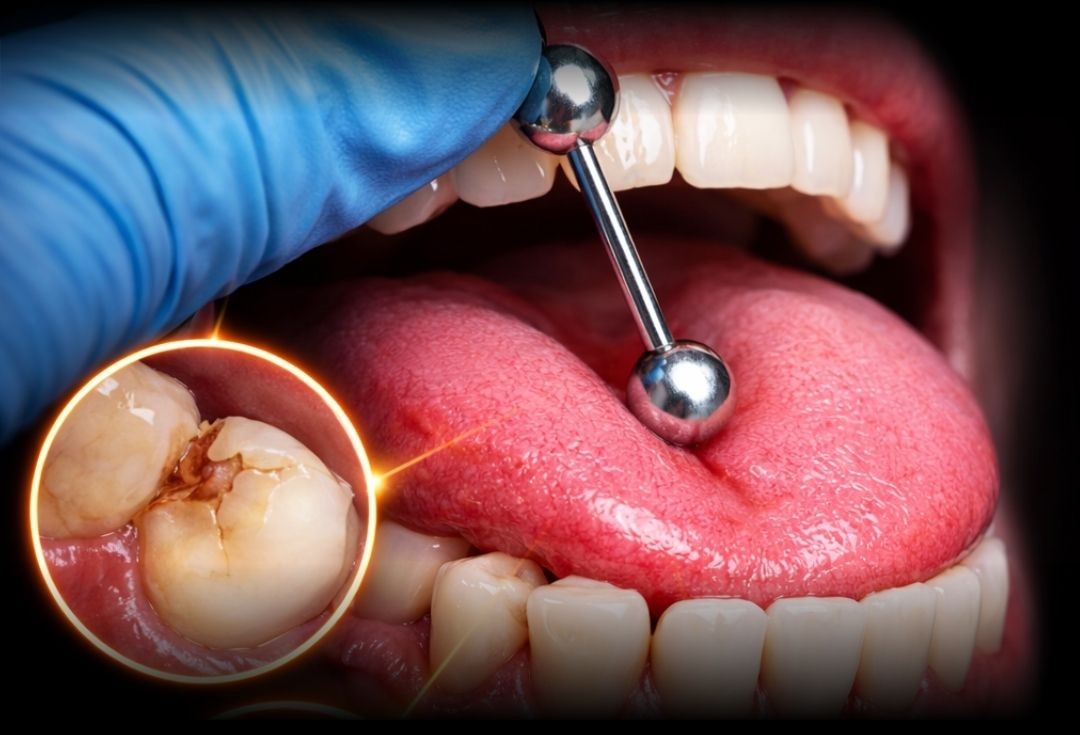


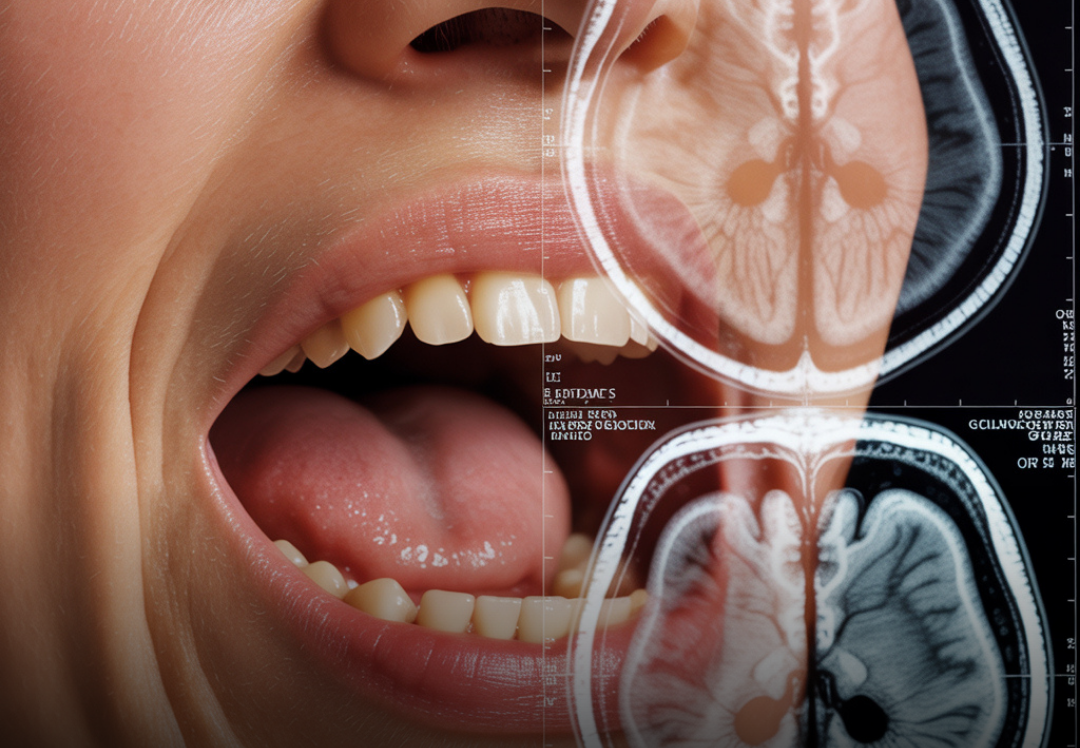
Oral health is often underestimated as a factor in overall well-being, yet growing scientific evidence confirms a strong connection between oral infections and neurological health. A recent large-scale study published in Neurology Open Access, the official journal of the American Academy of Neurology, highlights a concerning association between dental disease and stroke risk.
According to the study, individuals suffering from untreated tooth decay and gum disease face an 86% higher risk of ischemic stroke compared to those with healthy teeth and gums.
What the Research Reveals
Researchers followed nearly 6,000 adults for over 20 years, analyzing the long-term effects of oral health on neurological outcomes. The findings were clear: chronic dental infections create persistent inflammation, which negatively impacts blood vessels, including those supplying the brain.
Key findings include:
-
Untreated cavities and periodontal disease act as chronic inflammatory sources
-
Long-term inflammation damages vascular walls
-
Increased likelihood of blood clot formation in cerebral arteries
-
Higher risk of ischemic stroke over time
How Oral Bacteria Affect the Brain
When gums are inflamed or infected, bacteria and bacterial toxins can enter the bloodstream. Once circulating, these pathogens contribute to systemic inflammation and vascular injury.
This process may:
-
Trigger inflammation of cerebral blood vessels
-
Accelerate atherosclerotic plaque formation
-
Increase blood clot risk
-
Compromise oxygen supply to the brain
What begins as a localized oral problem can therefore evolve into a serious cardiovascular and neurological threat.
The Good News: Prevention Works
The study also delivered encouraging results. Participants who maintained regular dental checkups and professional cleanings reduced their risk of developing both gum disease and related neurological complications by up to 81%.
Preventive dental care includes:
-
Routine dental examinations
-
Professional cleanings
-
Early treatment of cavities and gum inflammation
-
Personalized oral hygiene guidance
These simple measures protect not only your smile, but also your brain and heart health.
Why Oral Care Is a Brain-Protective Habit
Modern medicine increasingly recognizes the mouth as a gateway to the body. Maintaining excellent oral health:
-
Reduces systemic inflammation
-
Protects blood vessels
-
Supports cardiovascular stability
-
Lowers neurological risk
At Ledismile, we believe dentistry is not just about aesthetics—it is about long-term health, prevention, and quality of life.
Final Takeaway
Your toothbrush is more powerful than you think. By prioritizing oral health, you are actively protecting your brain, heart, and overall well-being.
A healthy mouth supports a healthy mind.
This article is intended for educational purposes and does not replace medical or dental consultation. For personalized care, schedule a professional evaluation with your dentist.