

When you don’t chew for 14–16 hours:
-
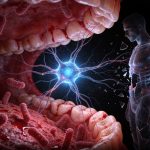
Saliva production decreases
-
The mouth becomes dry
-
Acids remain longer on tooth surfaces
-
Bacteria multiply more easily
☕ Coffee and tea consumed throughout fasting increase acidity — without food to buffer it.
The Silent Damage to Enamel
Coffee + acid + low saliva =
➡️ Slow enamel erosion (often painless at first)
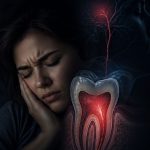
➡️ Increased sensitivity
➡️ Yellowing over time
➡️ Higher risk of cavities
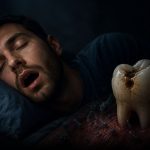
The damage is gradual and often invisible until symptoms appear.
The Eating Window: Common Mistakes
When fasting ends:
-
Large, heavy meals
-
Often carbohydrate-rich “healthy” foods
-
Brushing gets delayed… or forgotten 😬
Going to sleep without brushing after a heavy meal is a direct invitation to tooth decay and gum disease.
So… Is Fasting Bad for Your Teeth?
❌ Not fasting itself.
⚠️ It’s the habits around it that make the difference.
In practice, we often see:
-
Coffee all morning
-
Little water intake
-
Heavy late dinners
-
Delayed or incomplete brushing
👉 In this version, yes — teeth pay the price.
What We Recommend at Ledismile 🦷
✔️ Drink water regularly during fasting
✔️ Rinse your mouth after coffee/tea (even with water only)
✔️ Wait 30 minutes before brushing after acidic drinks
✔️ Brush and floss after your last meal
✔️ Use fluoride toothpaste
✔️ If dry mouth persists, sugar-free gum helps stimulate saliva
⏳ Fasting helps the body “reset.”
But your mouth needs more care, not less.
Teeth are not passive. They respond to acid, sugar, and meal timing.
If your routine doesn’t adapt, the consequences won’t show on the scale — but at your dental check-up.
📍 Ledismile – where oral health is treated as part of overall health.
📲 Contact us for a professional check-up and personalized advice.