

Can Untreated Tooth Decay Affect Brain Health?
Tooth decay is often seen as a small local problem — something that affects only the tooth.
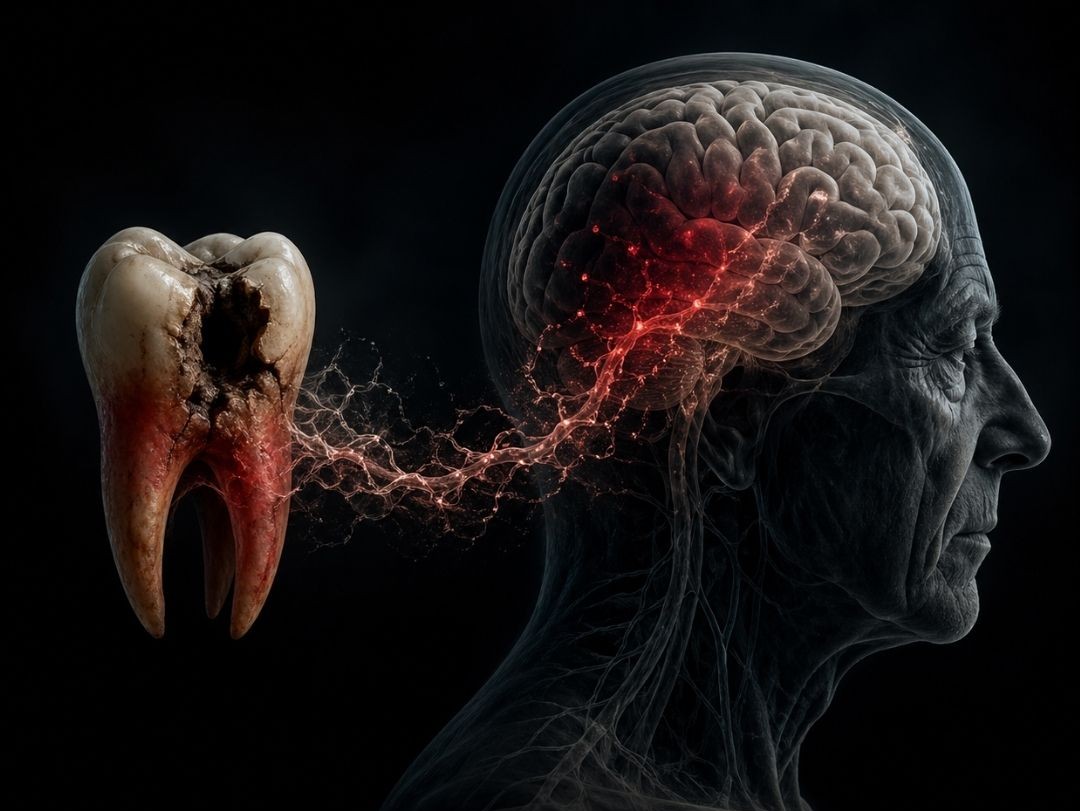
But science is increasingly showing that oral infections may have a much deeper impact on the body, including the brain.
A large nationwide study from the University of Helsinki, published in PLOS Medicine, found that severe infections were associated with a higher risk of developing dementia in the following years. Among the infections studied, advanced dental caries was also linked to early-onset dementia, especially in people diagnosed before the age of 65.
Why Can a Dental Infection Affect the Whole Body?
The key mechanism is inflammation.
When tooth decay is left untreated, bacteria can move deeper into the tooth, reaching the nerve and surrounding tissues. Over time, this may lead to chronic infection, abscess formation, gum inflammation and a continuous inflammatory response.
Chronic inflammation does not always remain limited to the mouth. It can influence the immune system, blood vessels and inflammatory pathways throughout the body. Researchers believe that these inflammatory processes may also affect the brain and contribute to neurodegenerative changes involved in conditions such as Alzheimer’s disease.
What Did the Study Suggest?
The study showed that people with severe infections had a significantly higher risk of developing dementia within several years. In cases of early-onset dementia — before the age of 65 — the association was even stronger, with dental caries showing almost double the risk.
It is important to understand that this does not mean tooth decay directly causes dementia. The study is observational, which means it shows an association, not definitive cause and effect. However, the findings support an important message: untreated infections should never be ignored.
Tooth Decay Is Not Just a Cosmetic Problem
A cavity is not simply a “hole in the tooth.” If ignored, it can become a bacterial infection that affects pain levels, chewing, sleep, nutrition, quality of life and overall health.
Early diagnosis and timely treatment can prevent a small cavity from becoming a serious infection. Preventive dental care protects not only your smile, but also your long-term wellbeing.
When Should You See a Dentist?
You should book a dental check-up if you notice:
- Tooth sensitivity to cold, heat or sweets
- Persistent tooth pain
- Bad taste or bad breath that does not go away
- Swelling around a tooth or gum
- Bleeding gums
- Visible cavities or dark spots on teeth
- Old fillings that feel broken or uncomfortable
Prevention Protects More Than Your Smile
Daily oral hygiene, professional cleanings and regular dental check-ups remain the most effective ways to prevent tooth decay and gum disease.
At Ledismile, we believe that dental care is not only about aesthetics. It is about protecting your health, your confidence and your future.
A healthy mouth can support a healthier body — and possibly a healthier brain.
Scientific Reference
Sipilä PN, Korhonen K, Lindbohm JV, Kivimäki M, Martikainen P.
The role of noninfectious comorbidities in the association between severe infections and risk of dementia in Finland: A nationwide registry study.
PLOS Medicine. 2026.
DOI: 10.1371/journal.pmed.1004688
Medical disclaimer: This article is for informational purposes only and does not replace a professional medical or dental consultation.
Book Your Dental Check-Up at Ledismile
Do not wait for a small dental problem to become a serious infection.
Take care of your smile today — and protect your health for the future.
📍 Visit Ledismile for a professional dental consultation and a complete oral health check-up.
“`