

Your Heart Starts in Your Mouth… and With Brushing Before Bed
Not brushing your teeth at night is not only an aesthetic problem. It can also become a real risk factor for your overall health.
Scientific research continues to show that oral health is closely connected to systemic health. One important study published in Scientific Reports found that people who did not brush their teeth before bedtime had a higher risk of cardiovascular disease.
Why Is Brushing Before Bed So Important?
During the night, your mouth changes. While you sleep, saliva production naturally decreases. This creates a more favorable environment for oral bacteria to multiply and for dental plaque to remain active for many hours.
- Saliva flow decreases during sleep
- Oral bacteria multiply more easily
- Dental plaque stays active for a longer period
- Gums become more exposed to inflammation
When plaque and bacteria remain in the mouth overnight, the gums may become irritated and inflamed. Over time, this can contribute to gingivitis and periodontal disease.
The Link Between Gum Health and Heart Health
Periodontal disease is not limited to the mouth. When the gums are inflamed, bacteria and inflammatory toxins may enter the bloodstream. This can increase the inflammatory burden on the body.
Scientific evidence links periodontal disease with several mechanisms that may affect cardiovascular health, including:
- Systemic inflammation
- Damage to blood vessels
- Atherosclerosis, also known as narrowing or blockage of the arteries
- Higher bacterial load in the bloodstream
This does not mean that gum disease directly causes heart disease in every person. However, chronic oral inflammation can become one of the factors that places extra stress on the cardiovascular system.
A Simple Habit With a Big Impact
Brushing your teeth before bed is one of the simplest ways to protect your mouth during the hours when bacteria are most active.
Nighttime brushing helps to:
- Reduce oral bacteria before sleep
- Remove plaque accumulated during the day
- Protect the gums from inflammation
- Support fresher breath in the morning
- Contribute to better oral and overall health
How to Brush Before Bed Correctly
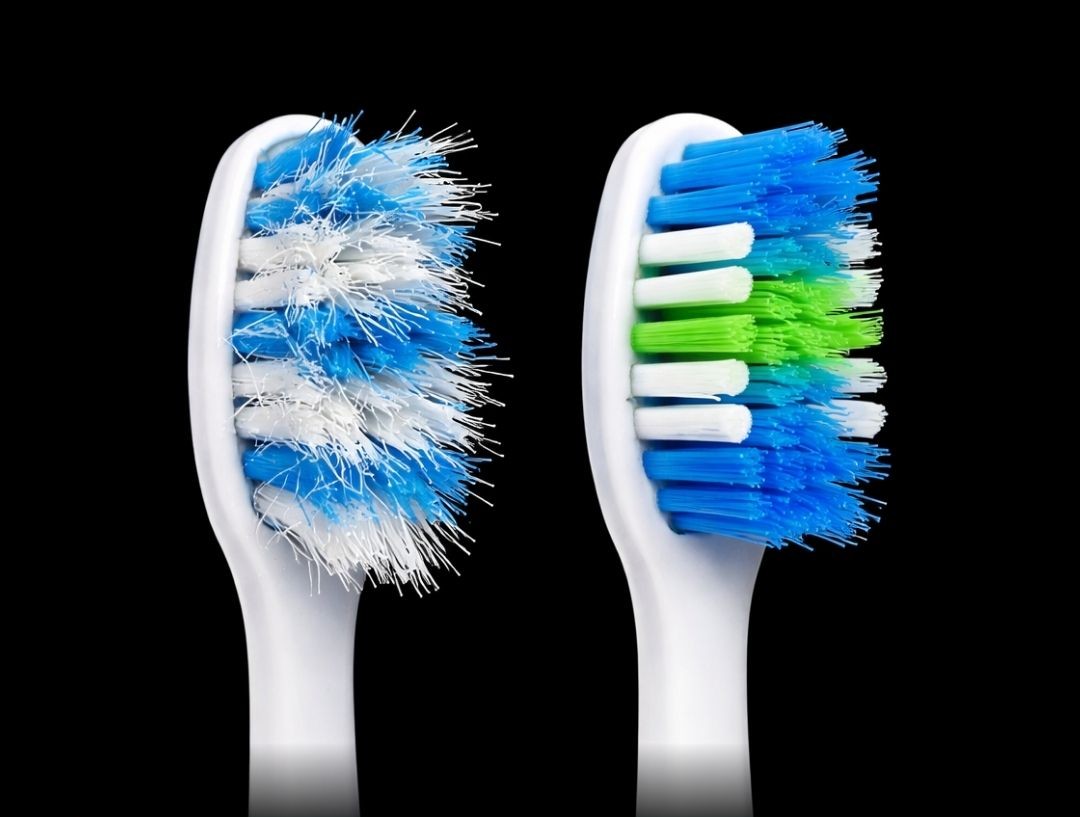
For effective nighttime oral hygiene, brush your teeth for at least two minutes using a soft toothbrush and fluoride toothpaste. Clean all tooth surfaces gently, including the gumline. For better protection, daily flossing or interdental cleaning is also recommended.
If your gums bleed when brushing, do not ignore it. Bleeding gums are often a sign of inflammation and should be evaluated by a dentist.
Ledismile: Caring for More Than Your Smile
At Ledismile, we believe that dentistry is not only about beautiful teeth. It is about health, prevention and long-term wellbeing.
Healthy gums, clean teeth and regular dental check-ups can help protect not only your smile, but also your body as a whole.
Do not leave for tomorrow what you can do tonight. Brush your teeth before bed. Always.
Book Your Dental Check-Up
If you notice bleeding gums, bad breath, plaque buildup or sensitivity, schedule a professional dental evaluation at Ledismile. Prevention is always easier, safer and healthier than late treatment.
Ledismile Dental & Beauty Clinic
Your smile. Your health. Your confidence.
Scientific Source
Isomura ET, Suna S, Kurakami H, et al. Not brushing teeth at night may increase the risk of cardiovascular disease. Scientific Reports. 2023;13:10467. PMID: 37380762. DOI: 10.1038/s41598-023-37738-1.